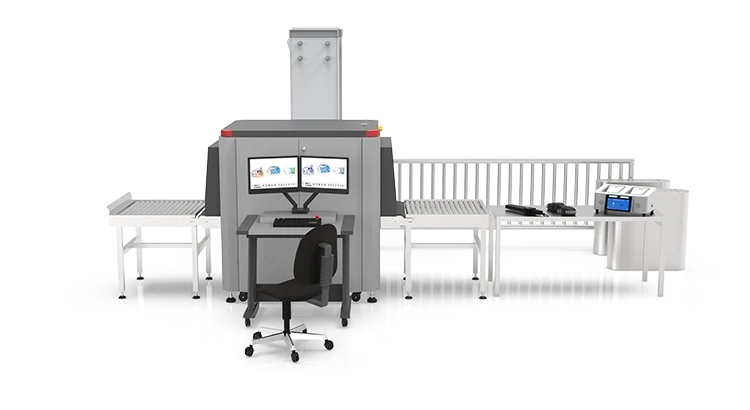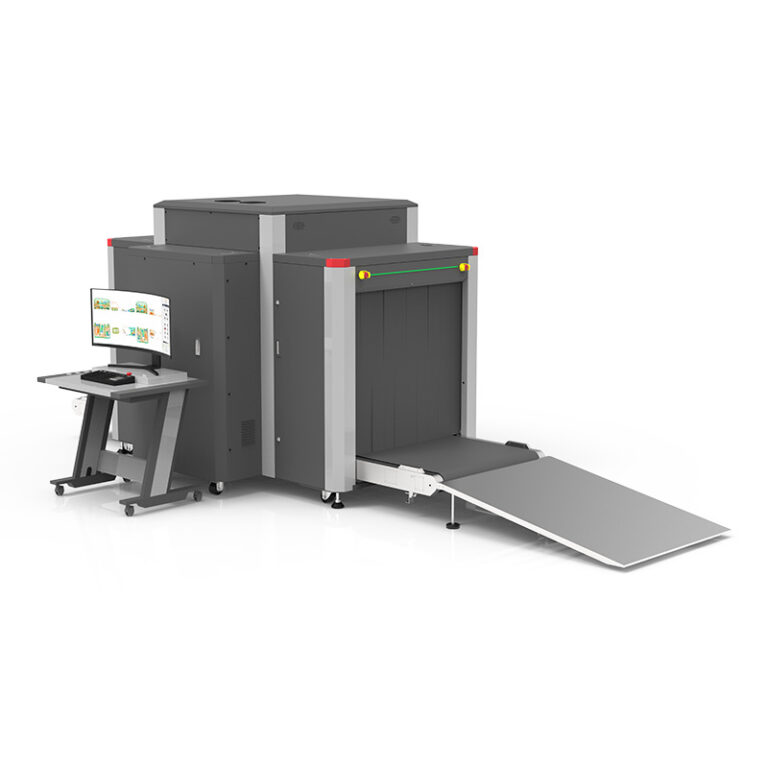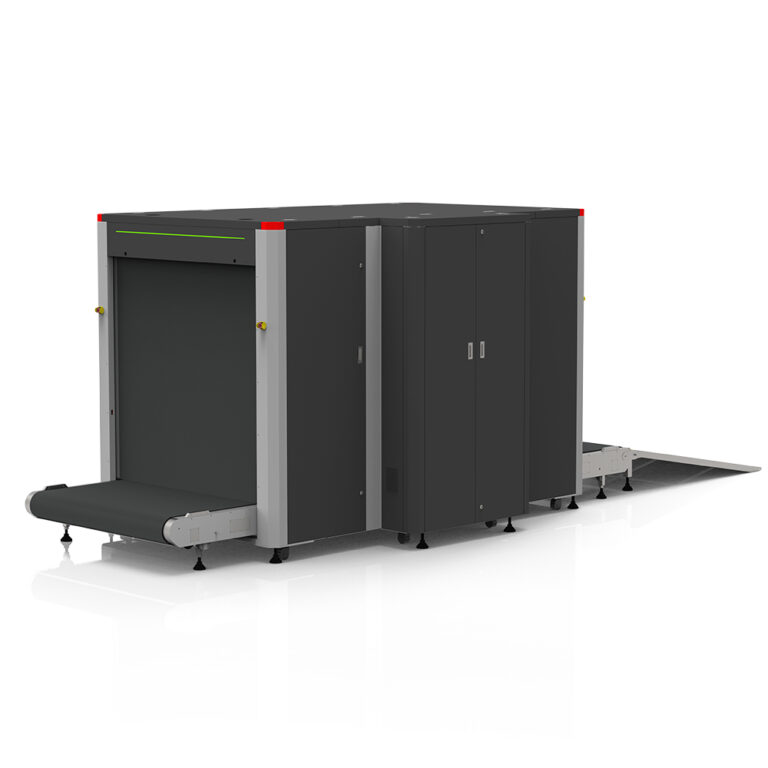
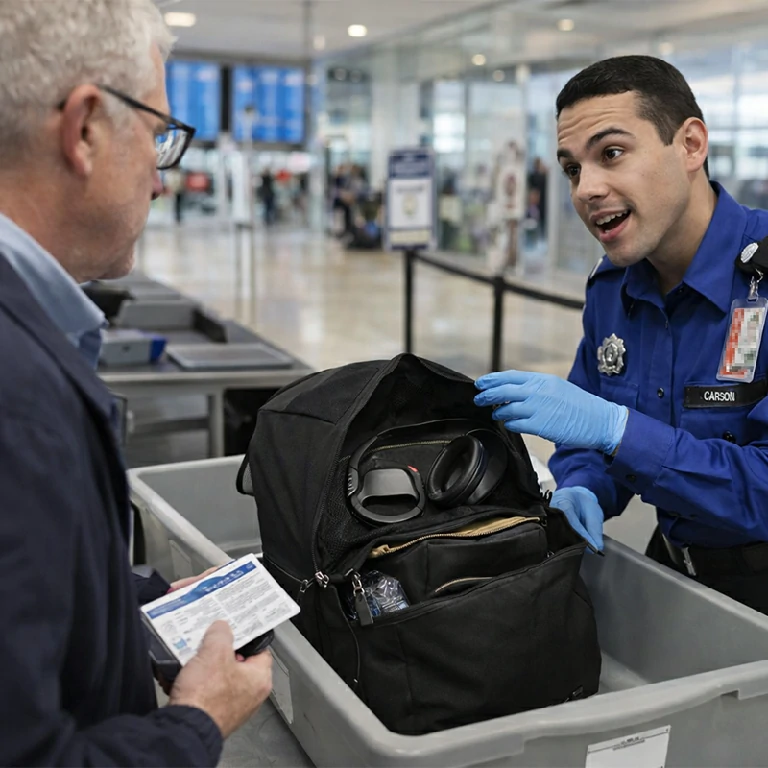

Travelers often place laptops, cameras, phones, and other electronic devices into trays before they pass through an airport X-ray baggage scanner. This raises a common concern:
Can X-ray scanners damage your electronic devices?
The simple answer is No — X-ray scanners used in airports and security checkpoints are completely safe for consumer electronics, including laptops, cameras, tablets, and handheld devices.
Let’s explore why.
How X-Ray Scanners Work
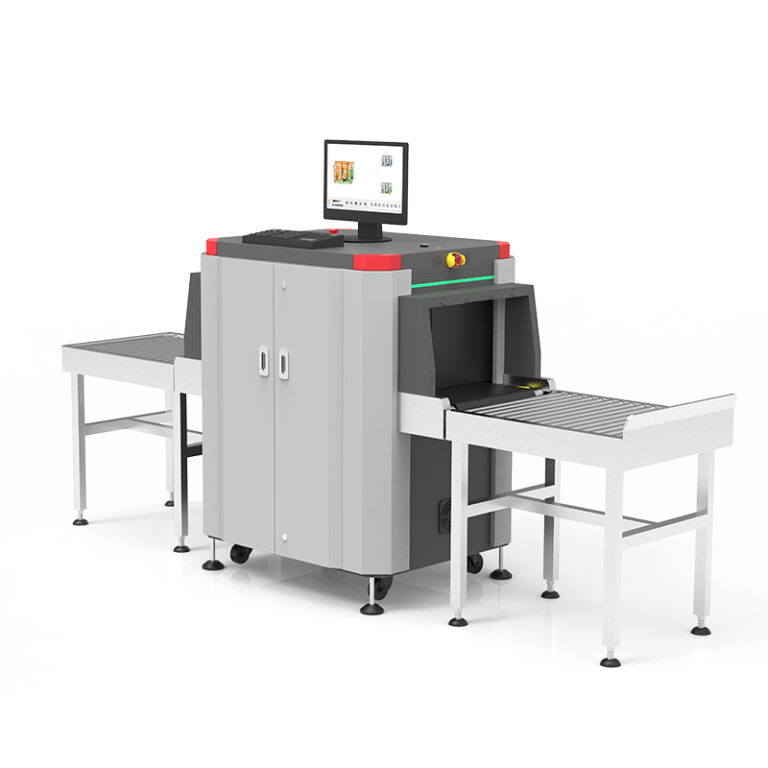
X-ray baggage scanners operate by sending a controlled, low-energy X-ray beam through your bag. The machine detects how much of that radiation passes through different materials and creates an image based on density differences.
Key points:
The scanner uses non-destructive, low-dose radiation
X-rays do not overwrite data, erase memory, or affect circuitry
Electronics are designed to tolerate far higher environmental conditions than those inside an X-ray tunnel
X-ray scanners only capture an image—they do not emit electromagnetic pulses capable of harming electronics.
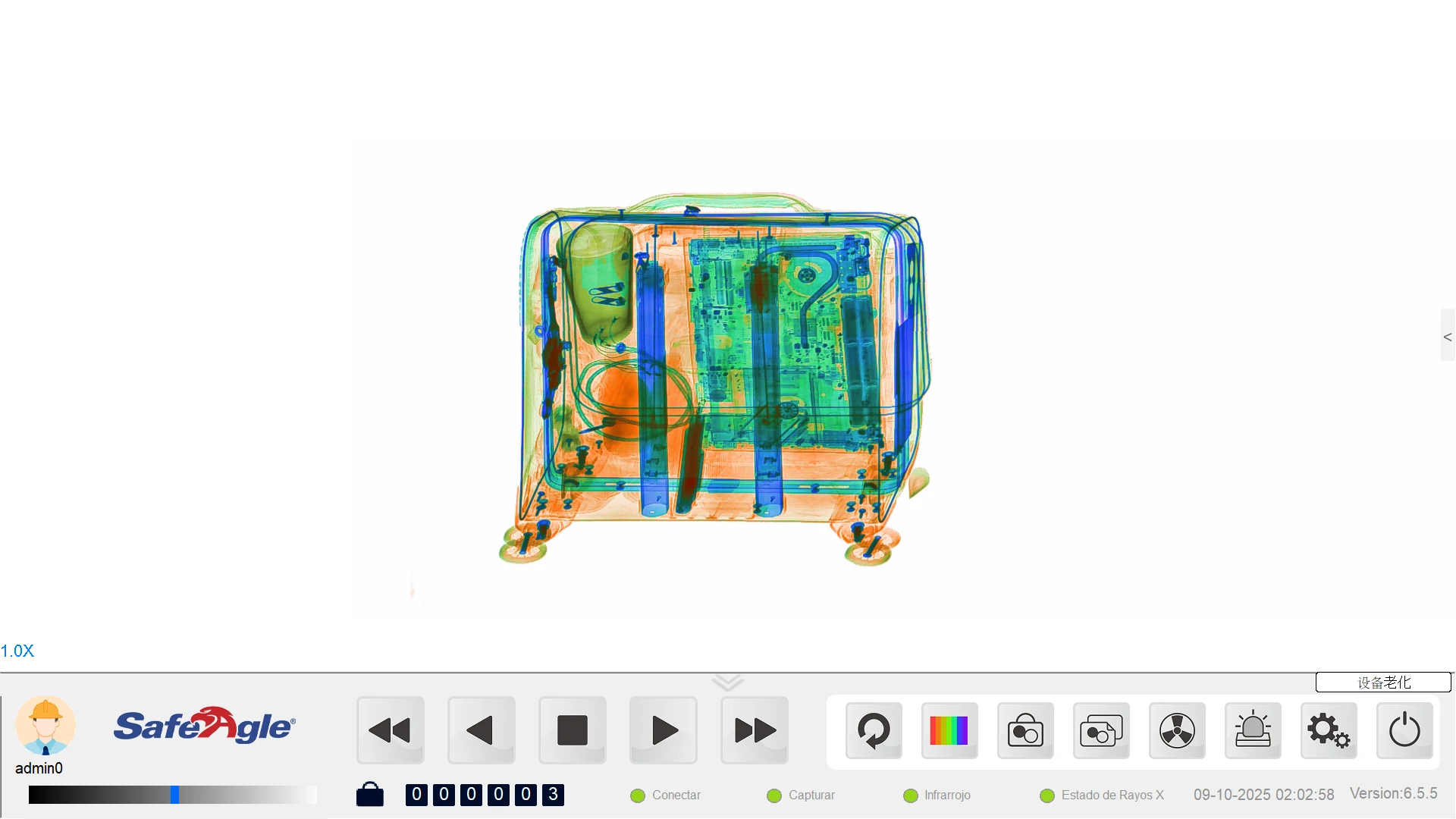
Why Laptops and Cameras Are Not Affected
1. Hard Drives and SSDs Are Immune to X-Ray Exposure
Modern laptops use SSDs, and even traditional HDDs:
store data magnetically or electronically
are protected by internal shielding
are not sensitive to low-dose X-ray radiation
Unlike film, digital data is not altered by X-ray exposure.
2. Cameras, Sensors, and Memory Cards Are Safe
Digital cameras—including DSLR, mirrorless, and action cameras—contain:
CMOS or CCD sensors
flash memory
microcontrollers
None of these components are affected by X-ray scanning. Your images, videos, and settings remain completely safe.
3. Smartphones and Tablets Are Fully Protected
Smart devices use:
flash storage
solid-state circuitry
robust shielding
Security scanners do not emit magnetic fields or high-power radiation that could interfere with them.
When Electronics Can Be at Risk (But Not from X-Rays)
Although X-rays won’t damage electronic devices, other factors at checkpoints may pose risks, such as:
• Physical impact
Dropping trays or rough handling can damage screens, lenses, or internal components.
• Theft or loss
Crowded checkpoints may lead to items being taken or forgotten.
• Strong manual inspection tools
Metal tools or probing devices during manual checks (not X-rays) may scratch or harm delicate electronics.
In other words, the X-ray machine is safe—the human factor is where risk increases.
What About Older Film Cameras?
While digital cameras are safe, undeveloped film (ISO 800 or higher) can be damaged or fogged by X-rays. Most travelers today use digital devices, so this rarely causes problems—but analog photographers should request manual inspection.
Benefits of Using Safeagle X-Ray Baggage Scanners
Safeagle’s advanced X-ray security systems are engineered to be:
Non-destructive to all electronics
Low-radiation for passenger and staff safety
High-resolution with true material discrimination
Optimized for both security and equipment protection
Safeagle X-ray scanners combine safety with accuracy, ensuring both effective threat detection and protection of personal devices.
So, The Conclusion
Laptops, cameras, and modern electronics are completely safe when passing through X-ray baggage scanners. The scanning technology is designed to detect threats—not to interfere with electronic components or digital storage.
So whether you’re traveling with a laptop bag, photography gear, or other electronic equipment, you can confidently send them through the X-ray machine without worry.