
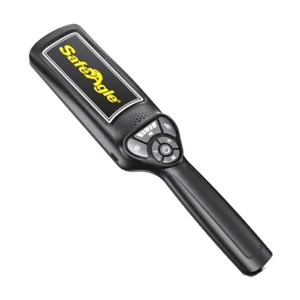
Security screening is one of the most important components of modern public safety. Whether at airports, government buildings, schools, transportation hubs, or large public events, security personnel must quickly identify potential threats while maintaining an efficient flow of people.
To achieve this balance, many security checkpoints use a combination of walk-through metal detector gates and hand-held metal scanners. While each device is effective on its own, combining them creates a more comprehensive and efficient security screening process.
Understanding Walk-Through Metal Detector Gates
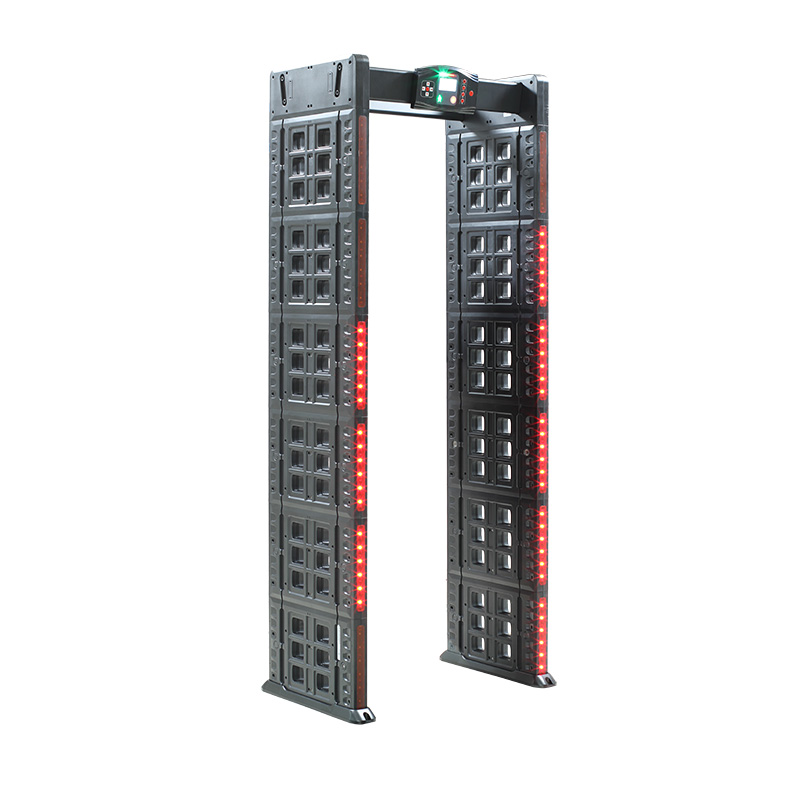
A walk-through metal detector is designed to screen individuals as they pass through a security checkpoint.
Modern metal detector gates can:
- Detect concealed metallic objects
- Screen large numbers of people quickly
- Identify the approximate location of metal items
- Reduce the need for physical searches
Advanced multi-zone detectors divide the body into multiple detection areas, allowing security personnel to identify whether a suspicious object is located near the head, torso, waist, or legs.
Because of their speed and efficiency, walk-through metal detectors are often the first line of security screening.
The Role of Hand-Held Metal Scanners
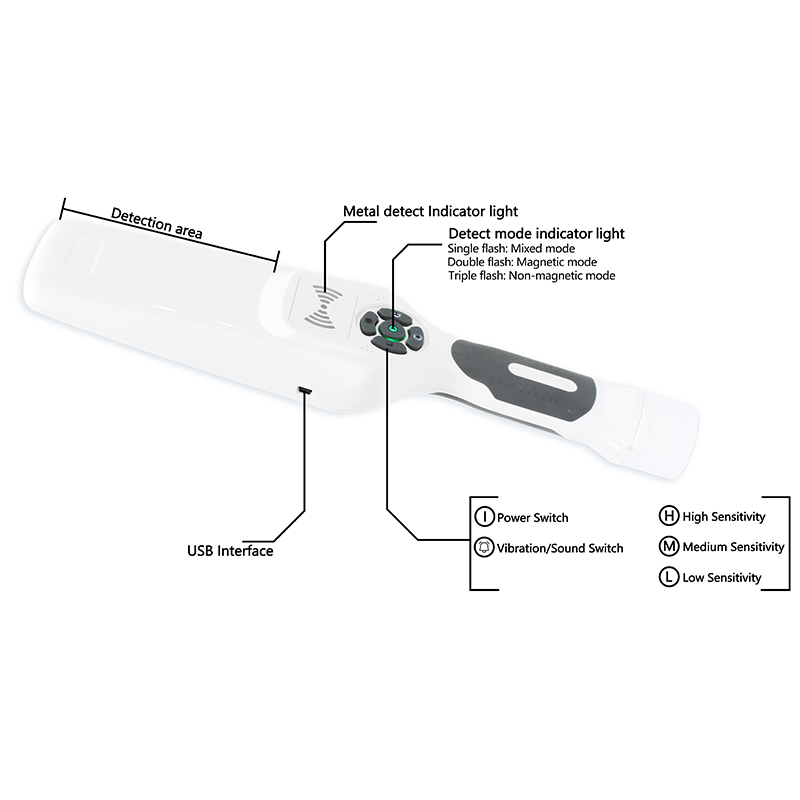
A hand-held metal detector is typically used as a secondary screening tool.
When a walk-through metal detector triggers an alarm, security officers use a hand-held scanner to pinpoint the exact location of the metal object.
Hand-held detectors provide:
- Precise localization of metallic items
- Faster secondary inspections
- Reduced need for physical contact
- Improved screening accuracy
They are lightweight, portable, and easy to operate, making them an essential tool for security personnel.
Why One Device Alone Is Not Enough
Some facilities may wonder whether a walk-through detector or a hand-held scanner can be used independently.
The reality is that each device serves a different purpose.
Limitations of Walk-Through Metal Detectors
While metal detector gates are excellent for identifying the presence of metal, they may not always pinpoint the exact location of small objects.
In high-traffic environments, security officers need additional tools to quickly determine what triggered the alarm.
Limitations of Hand-Held Metal Detectors
Using only hand-held detectors would significantly slow down the screening process.
Every individual would require a manual scan, creating long queues and reducing operational efficiency.
For facilities with hundreds or thousands of visitors per day, this approach is impractical.
Benefits of Combining Both Technologies
Faster Screening Process
Walk-through metal detectors perform the initial screening in seconds.
Only individuals who trigger an alarm require additional inspection using a hand-held scanner.
This significantly reduces overall screening time.
Improved Detection Accuracy
Combining both technologies helps security personnel identify metallic objects more accurately.
The metal detector gate identifies the presence of a potential threat, while the hand-held scanner pinpoints its exact location.
This layered approach reduces false alarms and improves overall effectiveness.
Better Visitor Experience
Efficient security screening helps minimize waiting times.
Most visitors pass through the checkpoint without delay, while only a small percentage require secondary inspection.
This creates a smoother and more professional security process.
Enhanced Security Protection
Using multiple layers of security makes it more difficult for prohibited items to go undetected.
The combination of metal detector gates and hand-held scanners provides a higher level of protection than either device alone.
Common Applications
Airports
Airports process thousands of passengers daily and require highly efficient screening systems.
Walk-through detectors rapidly screen passengers, while hand-held scanners help security officers conduct targeted inspections when necessary.
Government Buildings
Government facilities often require strict access control and comprehensive security measures.
Combining both devices helps protect staff, visitors, and sensitive areas.
Schools and Universities
Educational institutions are increasingly implementing security screening solutions to improve campus safety.
The combination of metal detector gates and hand-held scanners allows schools to conduct effective screening without causing excessive delays.
Stadiums and Event Venues
Large events require security teams to screen large crowds quickly.
Layered screening systems help maintain security while ensuring smooth entry procedures.
Industrial and Commercial Facilities
Factories, logistics centers, and corporate buildings use security screening to prevent unauthorized items from entering restricted areas.
Building a Complete Security Screening System
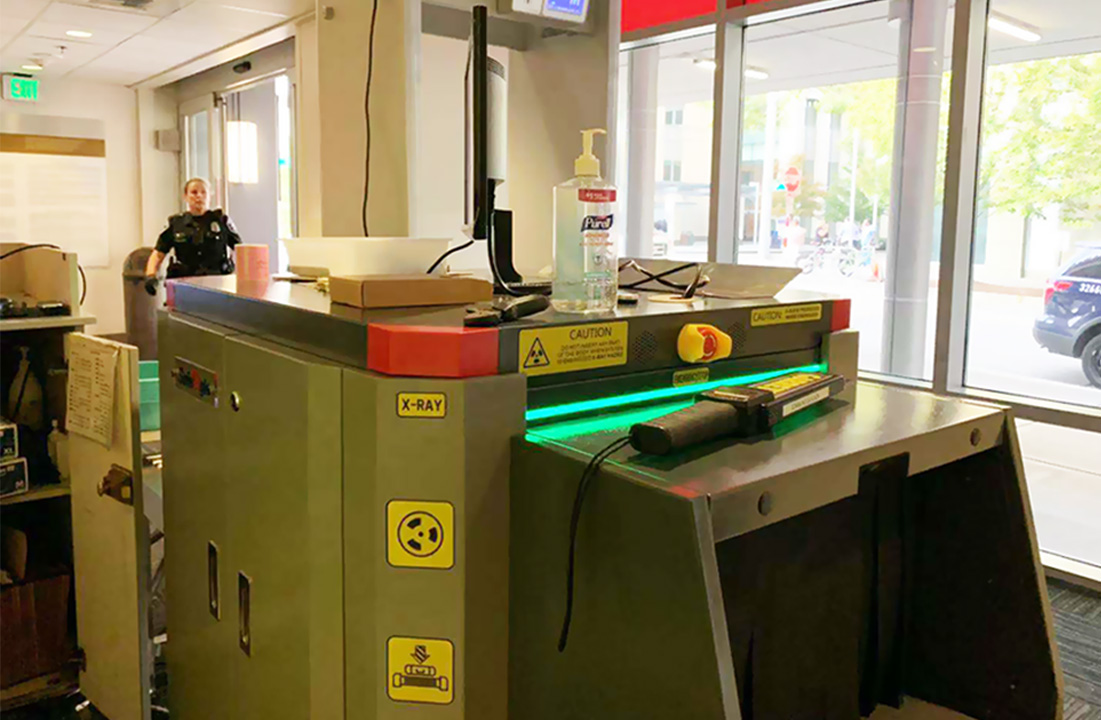
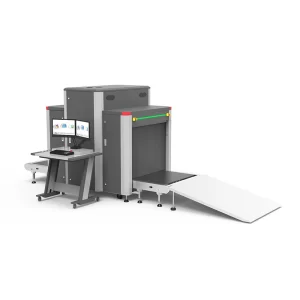
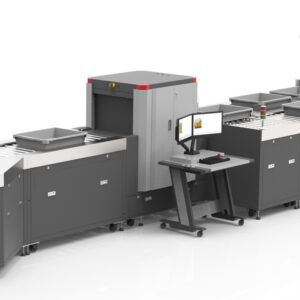
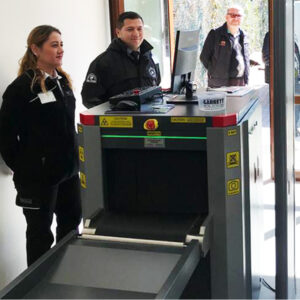
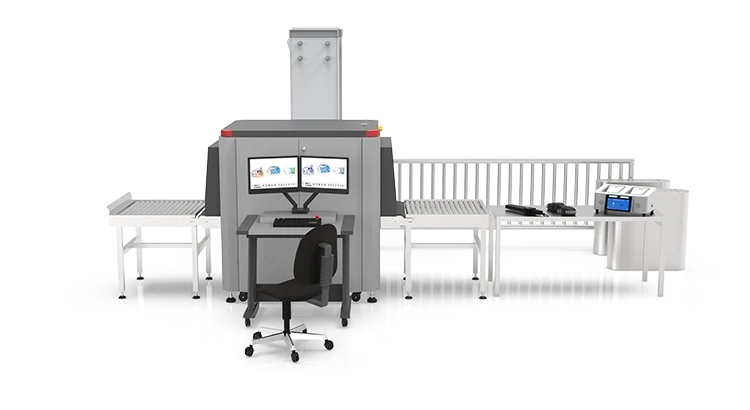
Modern security checkpoints often combine multiple technologies, including:
This multi-layered approach helps security teams identify threats on individuals, inside bags.
The result is a more comprehensive and reliable security infrastructure.
Conclusion
Modern security checkpoints combine walk-through metal detector gates and hand-held scanners because each technology serves a unique purpose.
Together, they provide:
- Faster screening
- Improved detection accuracy
- Better visitor experience
- Enhanced security protection
As security requirements continue to evolve, adopting a layered screening strategy remains one of the most effective ways to protect people, property, and critical infrastructure.
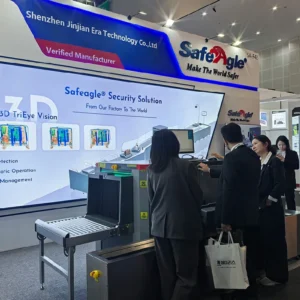
For organizations seeking reliable and professional security screening solutions, Safeagle offers a complete range of equipment designed to meet the demands of today’s security environments.



Looking For Security Inspection Solutions?
As an excellent manufacturer providing full public safety solutions. Our product range includes X-ray Baggage Scanners, Walk-Through Metal Detectors, Handheld Metal Detectors, and Vehicle Inspection Systems, etc.
Need help selecting the right equipment? Contact our team to discuss your application and request a customized solution.