Security screening is a critical component of modern safety systems across airports, government facilities, logistics centers, and public venues.
Traditionally, manual inspection was the primary method used to check baggage and detect prohibited items. However, with the advancement of technology, X-ray scanners have become the standard solution for efficient and accurate security screening.
So, which method is more effective: X-ray scanning or manual inspection? This article provides a detailed comparison to help you understand their differences and choose the right approach.
What Is Manual Inspection?
Manual inspection refers to the physical examination of baggage or items by security personnel.
This process typically involves:
- Opening bags and visually checking contents
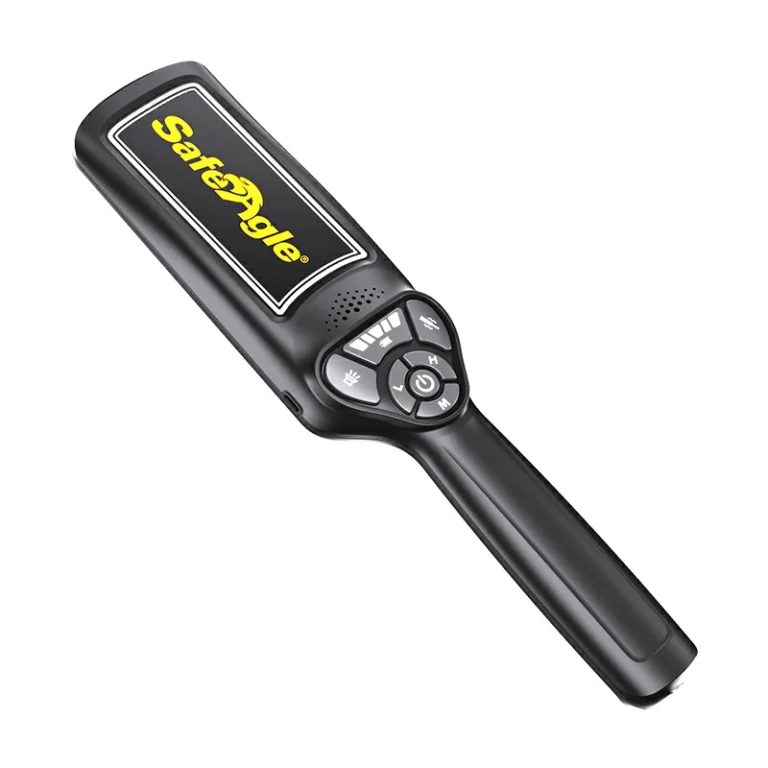
- Using hand-held tools or metal detectors
- Conducting physical searches
While manual inspection can be effective in certain situations, it heavily depends on the experience and judgment of the operator.

What Is an X-Ray Scanner?
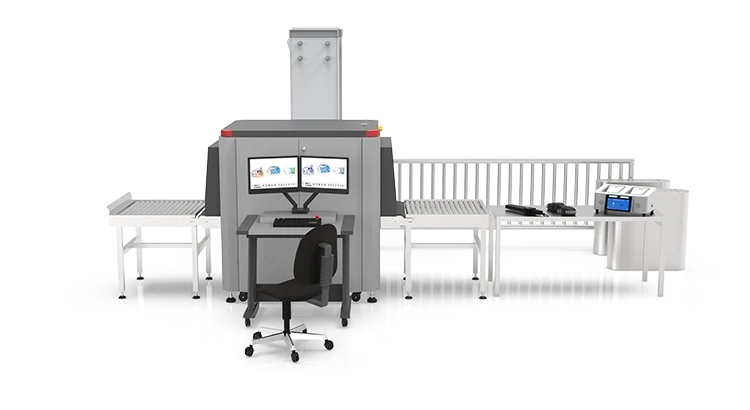
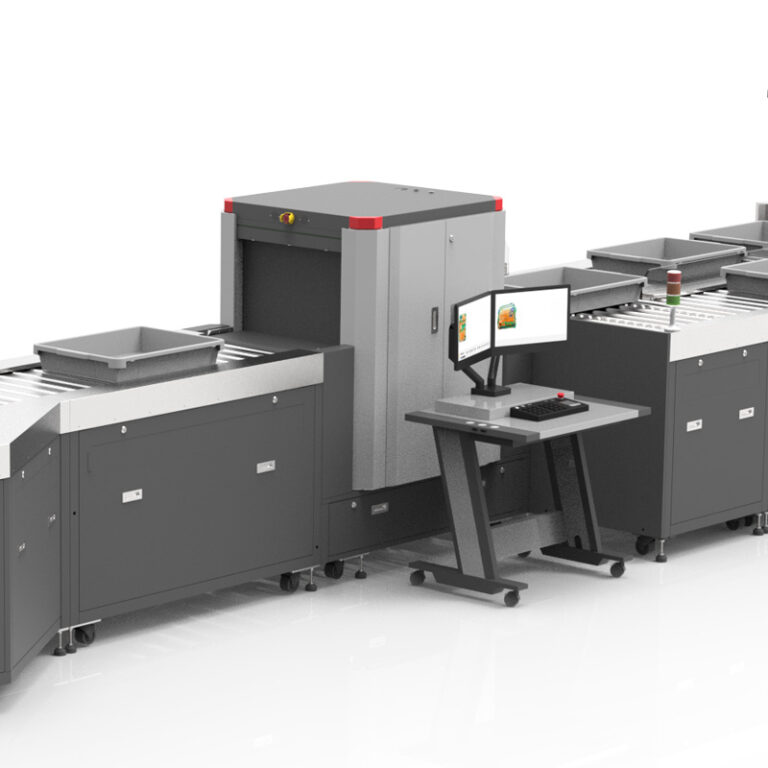
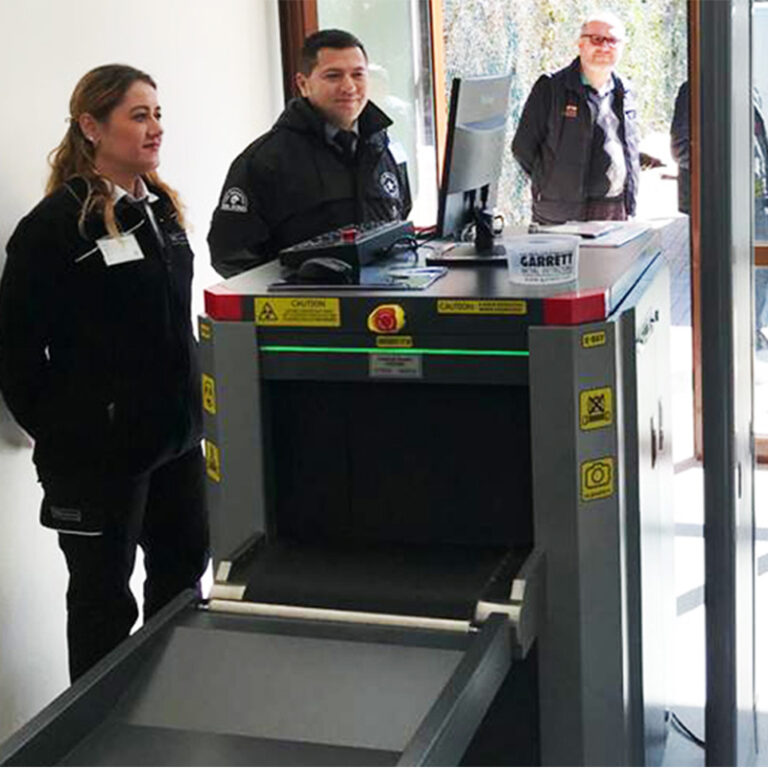
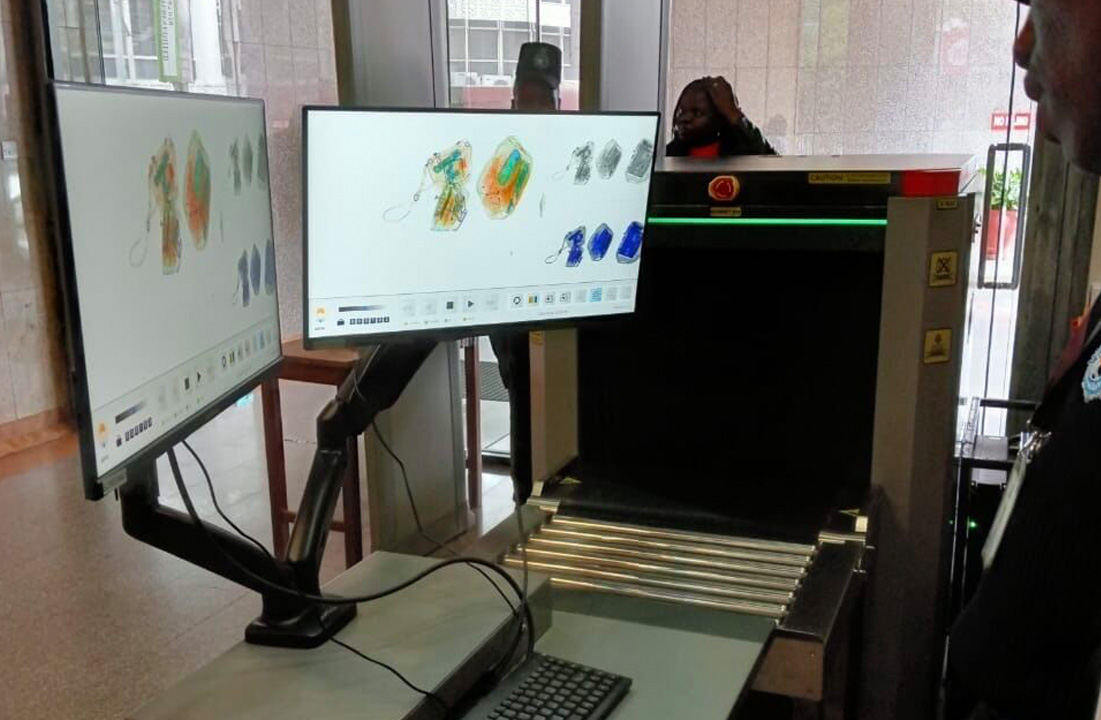
An X-ray scanner is an advanced security device that uses X-ray technology to generate images of the contents inside baggage without opening it.
Modern X-ray baggage scanners offer:
- Dual-energy imaging
- Multi-color material differentiation
- High penetration capability
- Real-time image processing
- Intelligent threat detection assistance
These features allow operators to identify suspicious items quickly and accurately.
X-Ray Scanner vs Manual Inspection: Key Differences
1. Detection Accuracy
Manual Inspection
- Relies on human judgment
- Higher risk of missed threats
- Difficult to detect concealed or hidden items
X-Ray Scanner
- Provides detailed internal images
- Identifies hidden objects without opening bags
- Uses color differentiation to distinguish materials
Winner: X-Ray Scanner
2. Speed and Efficiency
Manual Inspection
- Time-consuming
- Requires opening and repacking bags
- Causes delays in high-traffic environments
X-Ray Scanner
- Instant image generation
- Continuous screening capability
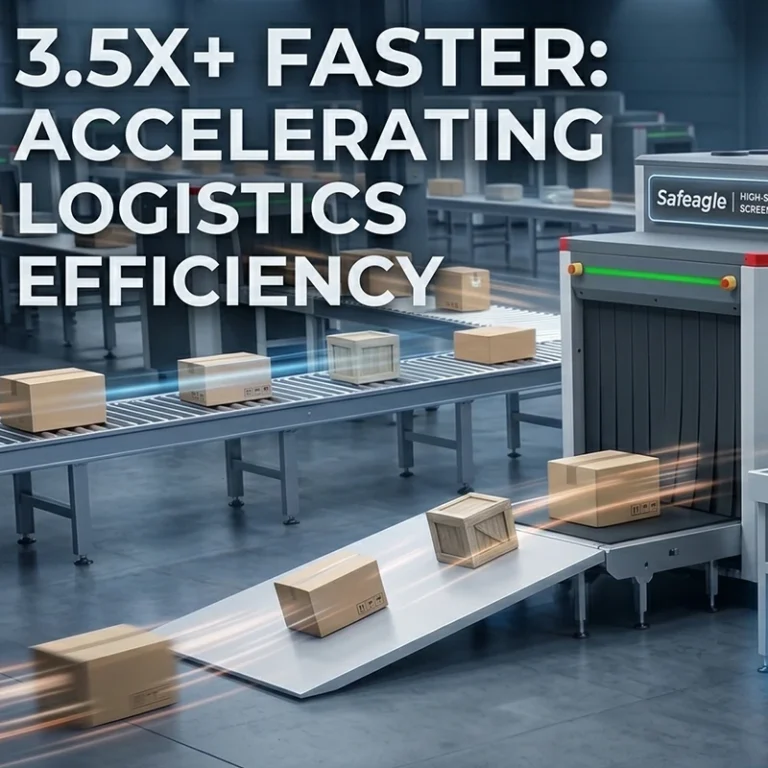
- Supports high passenger throughput
Winner: X-Ray Scanner
3. Consistency and Reliability
Manual Inspection
- Results vary based on operator experience
- Fatigue can reduce effectiveness
- Inconsistent detection standards
X-Ray Scanner
- Standardized imaging results
- Consistent performance
- Less affected by operator fatigue
Winner: X-Ray Scanner
4. Ability to Detect Concealed Threats
Manual Inspection
- Limited visibility inside dense or complex items
- Difficult to detect hidden compartments
X-Ray Scanner
- High penetration capability
- Detects objects inside dense materials
- Identifies overlapping items with image enhancement
Winner: X-Ray Scanner
5. Cost Consideration
Manual Inspection
- Lower initial cost
- Higher long-term labor costs
- Slower operations may reduce efficiency
X-Ray Scanner
- Higher initial investment
- Lower long-term operational cost
- Improved efficiency and reduced manpower needs
Winner: Depends on long-term perspective (X-Ray preferred)
When Is Manual Inspection Still Needed?
Despite the advantages of X-ray scanners, manual inspection still plays an important role in:
- Secondary inspection after an alarm
- Verifying suspicious items detected by scanners
- Handling special or irregular cases
In modern security systems, manual inspection is typically used as a complementary method, not the primary screening tool.
Why X-Ray Scanners Are the Industry Standard Today
Most modern security environments rely on X-ray scanners because they offer:
- Faster screening process
- Higher detection accuracy
- Non-invasive inspection
- Improved passenger experience
- Scalable solutions for different environments
From airports to logistics hubs, X-ray technology has become the backbone of security inspection systems.
The Importance of Choosing the Right X-Ray Scanner
The effectiveness of an X-ray system depends on its technology and manufacturer.
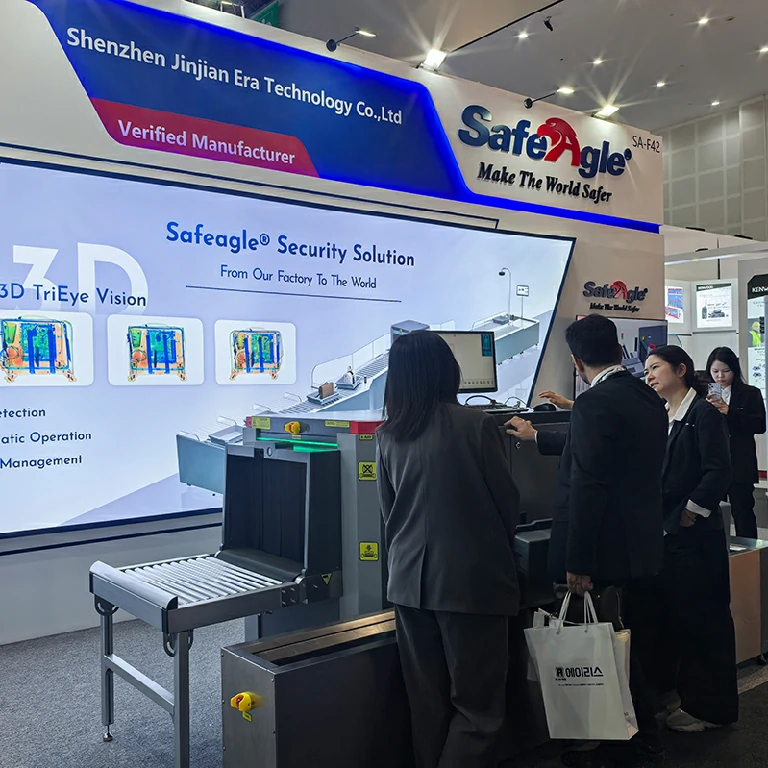
Professional manufacturers like Safeagle specialize in developing advanced security inspection equipment, including:
- X-ray baggage scanners
- Large cargo X-ray systems
- Walk-through metal detectors
- Hand-held metal detectors
- Under-vehicle inspection systems
Safeagle systems are designed with features such as:
- Multi-color imaging (4/7 color modes)
- Dual-energy detection
- High penetration capability
- Real-time image processing
These capabilities help security personnel detect threats more efficiently and accurately.
Final Verdict: Which One Should You Choose?
While manual inspection still has its place, it is no longer sufficient as the primary security method.
X-ray scanners are the superior solution for modern security screening, offering unmatched speed, accuracy, and efficiency.
The most effective approach is to combine both methods:
- Use X-ray scanners for primary screening
- Use manual inspection for secondary checks
This layered security strategy ensures maximum safety while maintaining operational efficiency.